The 1980s did not do quiet walls. It did lacquer-red dining rooms, mint-and-peach geometrics, and squiggles that looked like they were drawn mid-sentence — and forty years on, the same nerve is back on the wall.
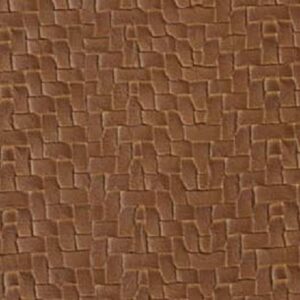
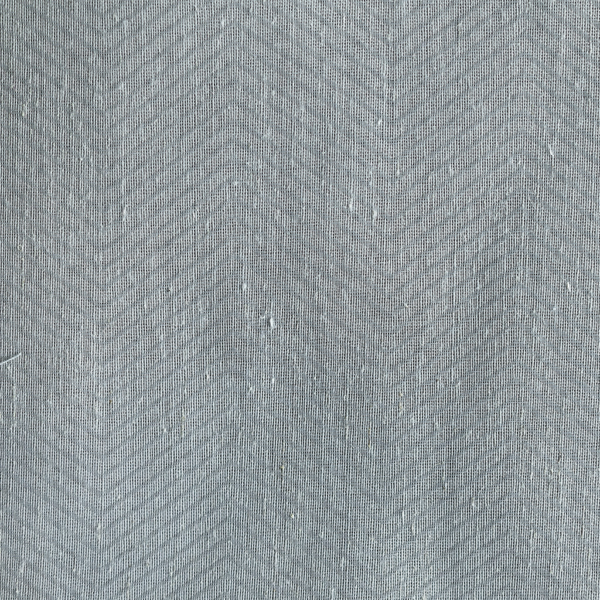

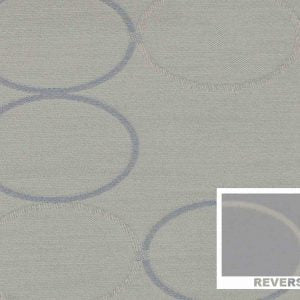
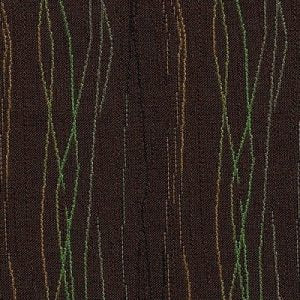
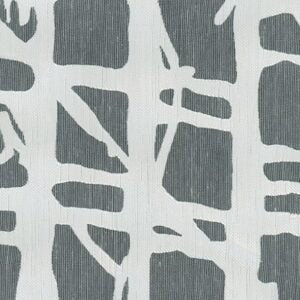
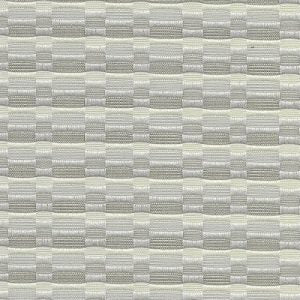
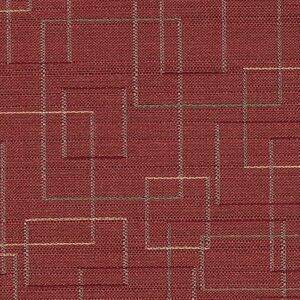
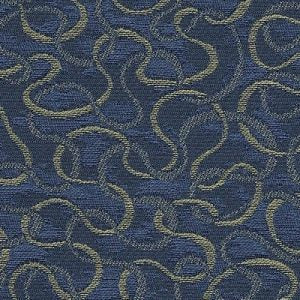
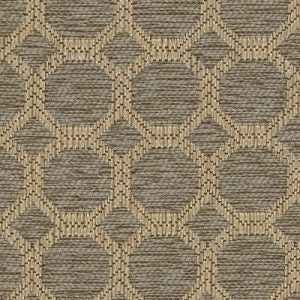
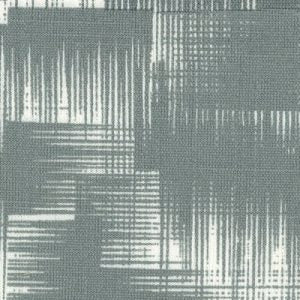
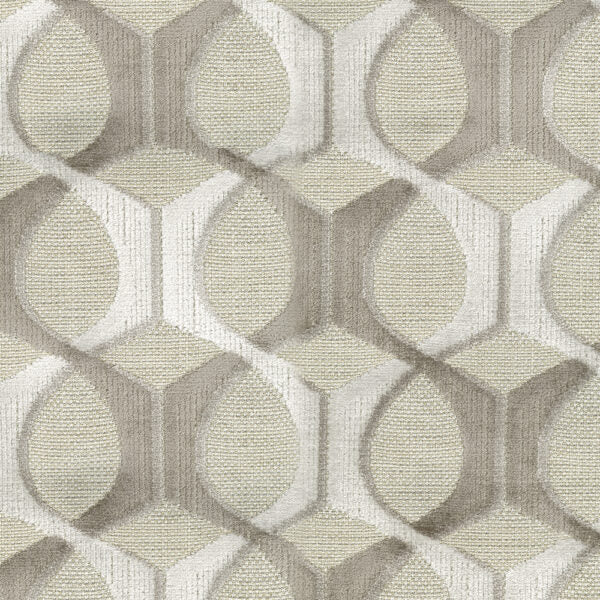
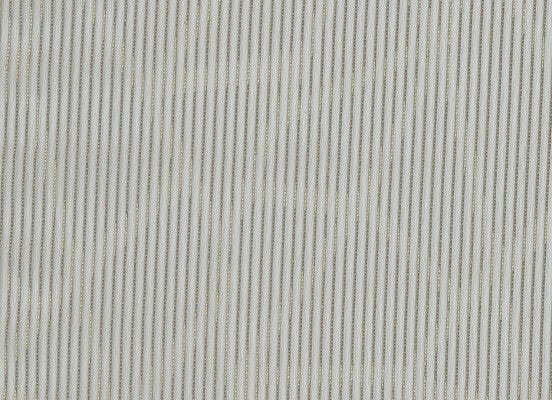
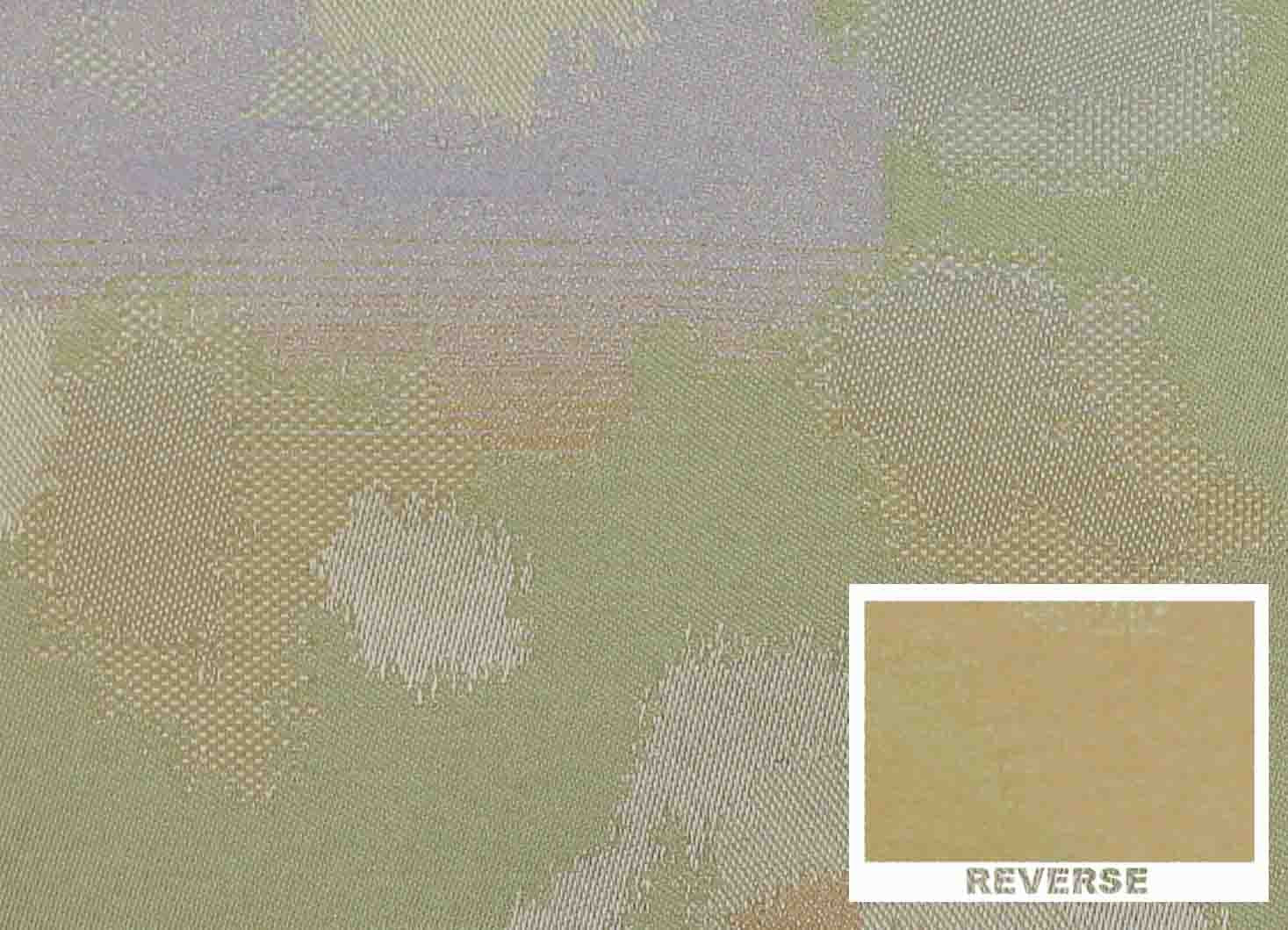
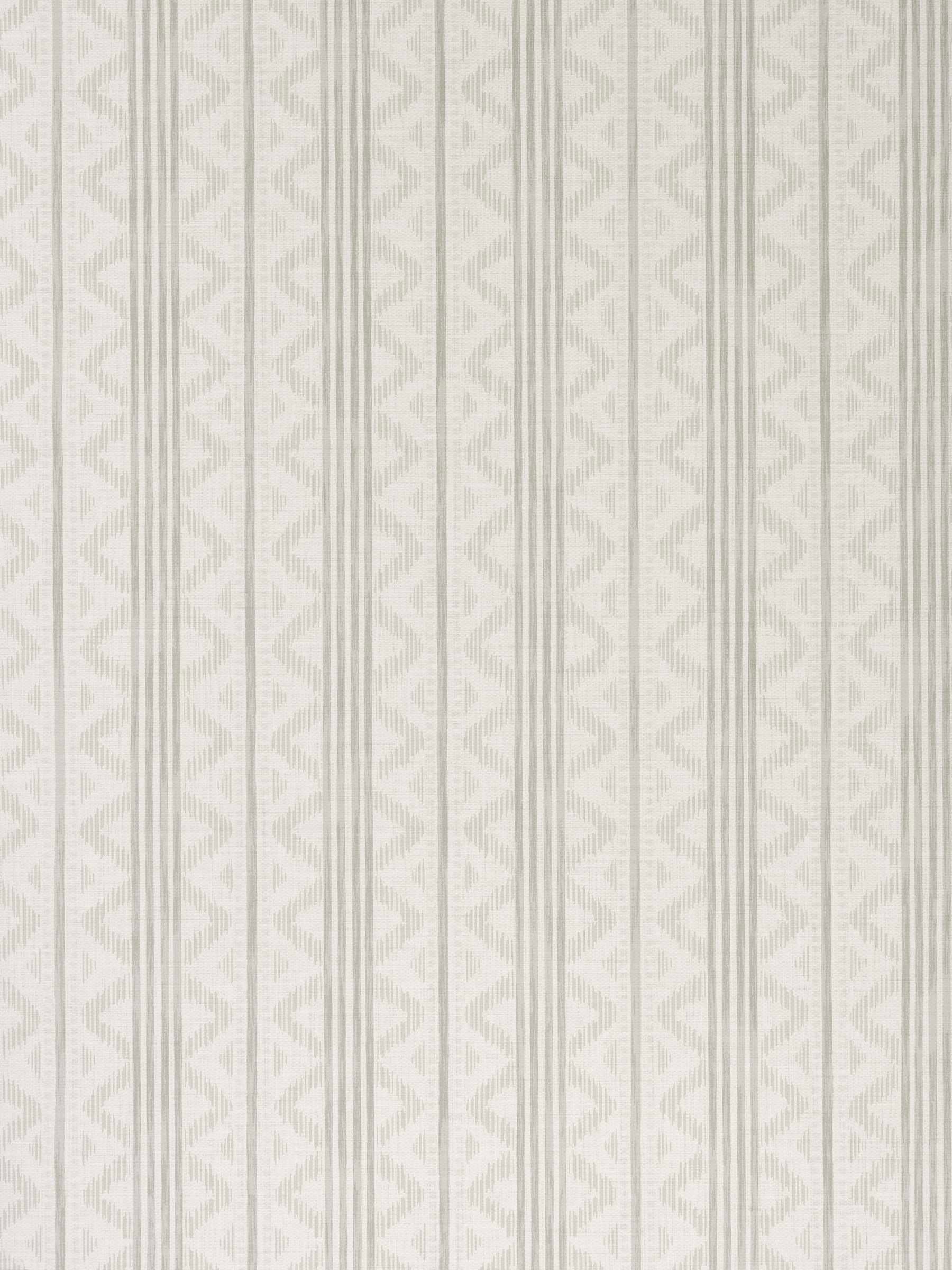
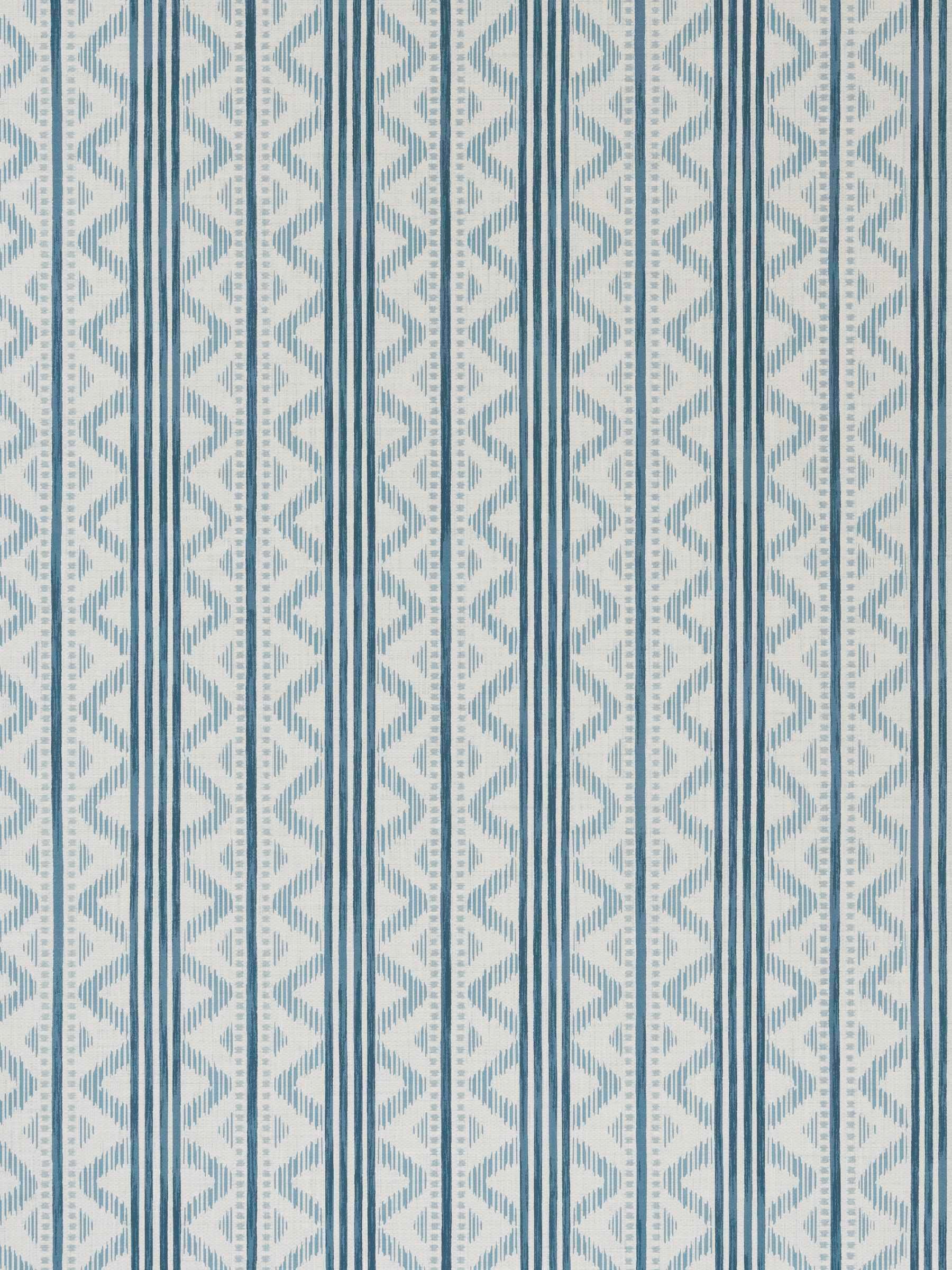
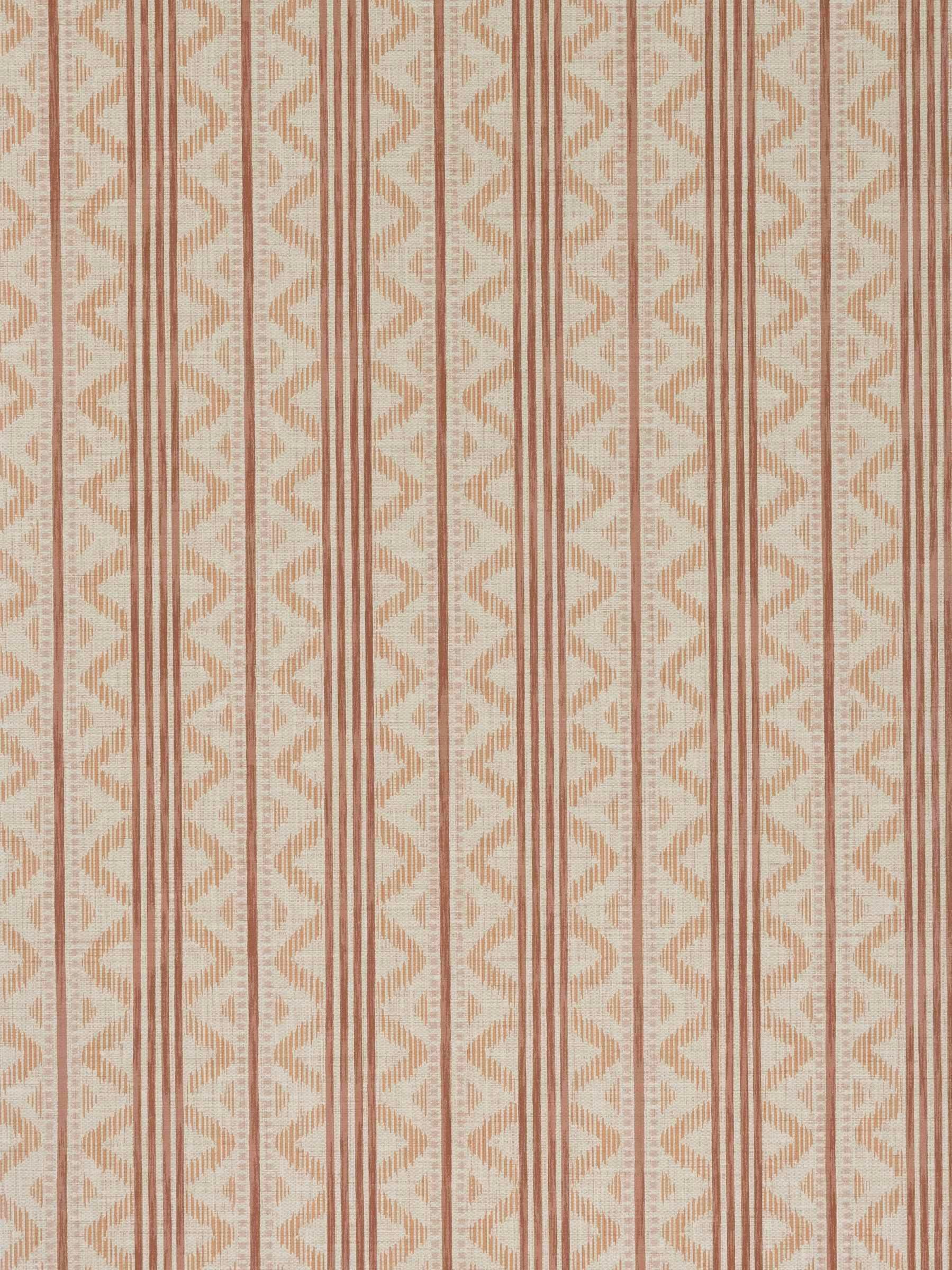
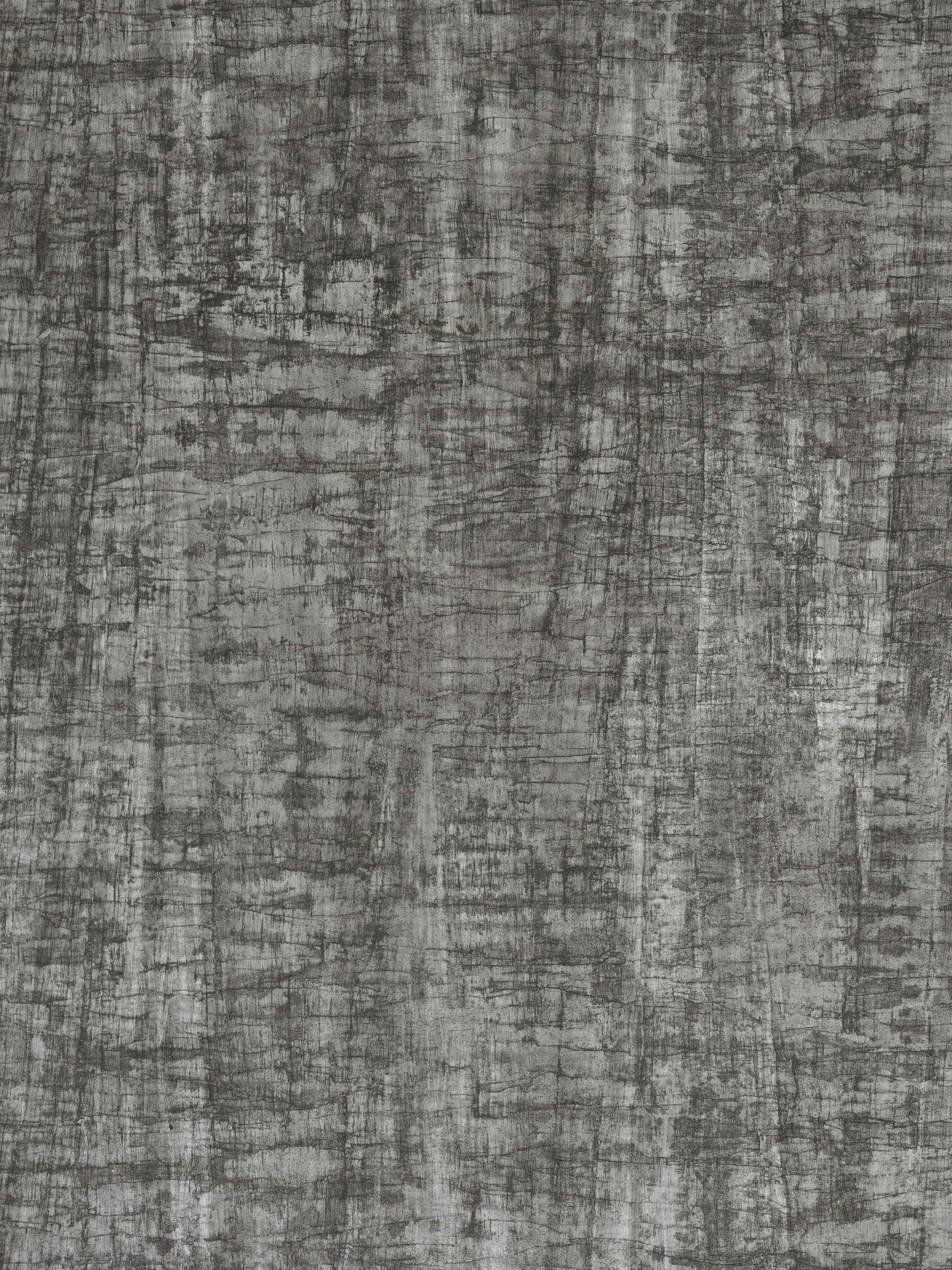
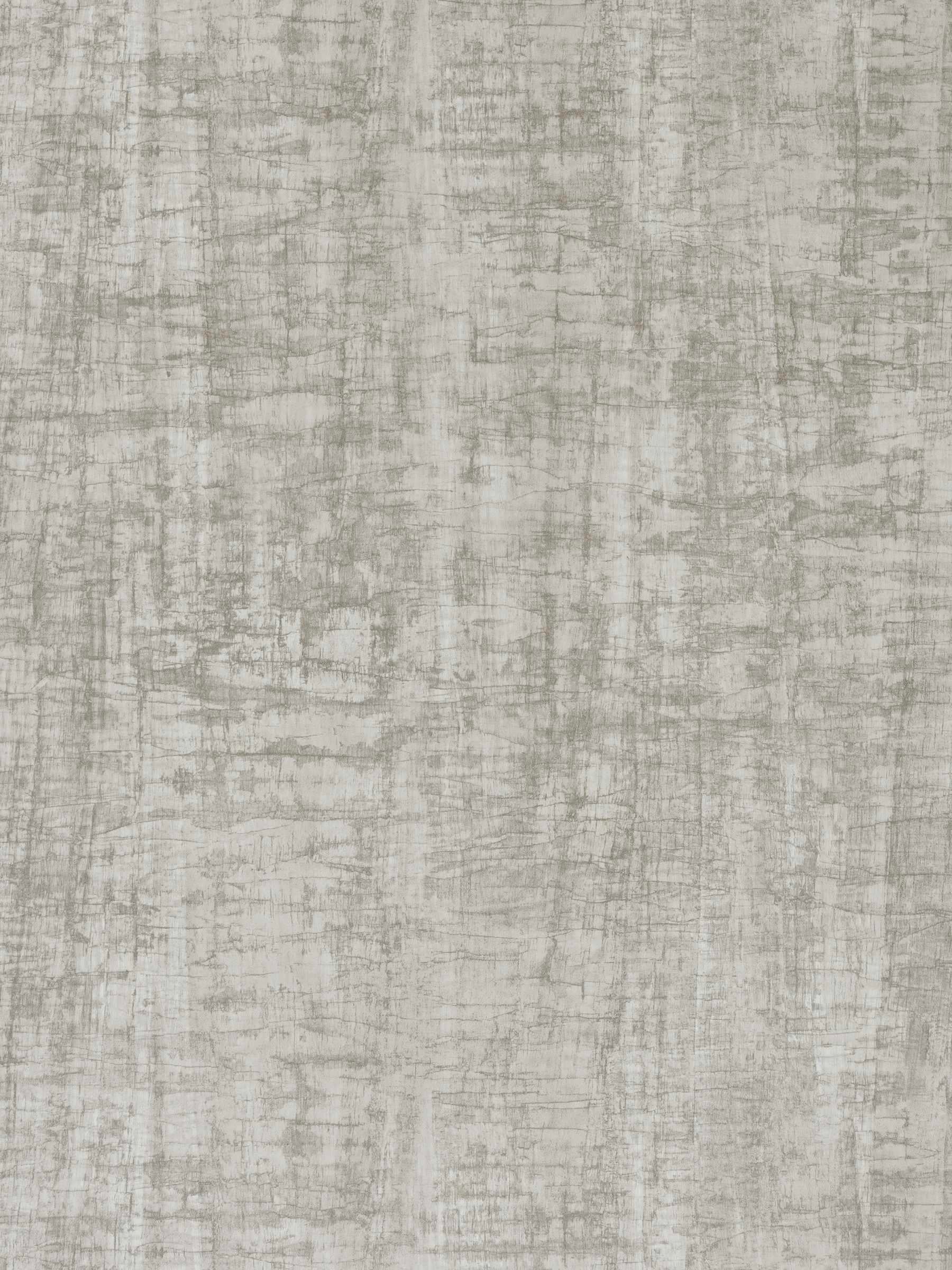
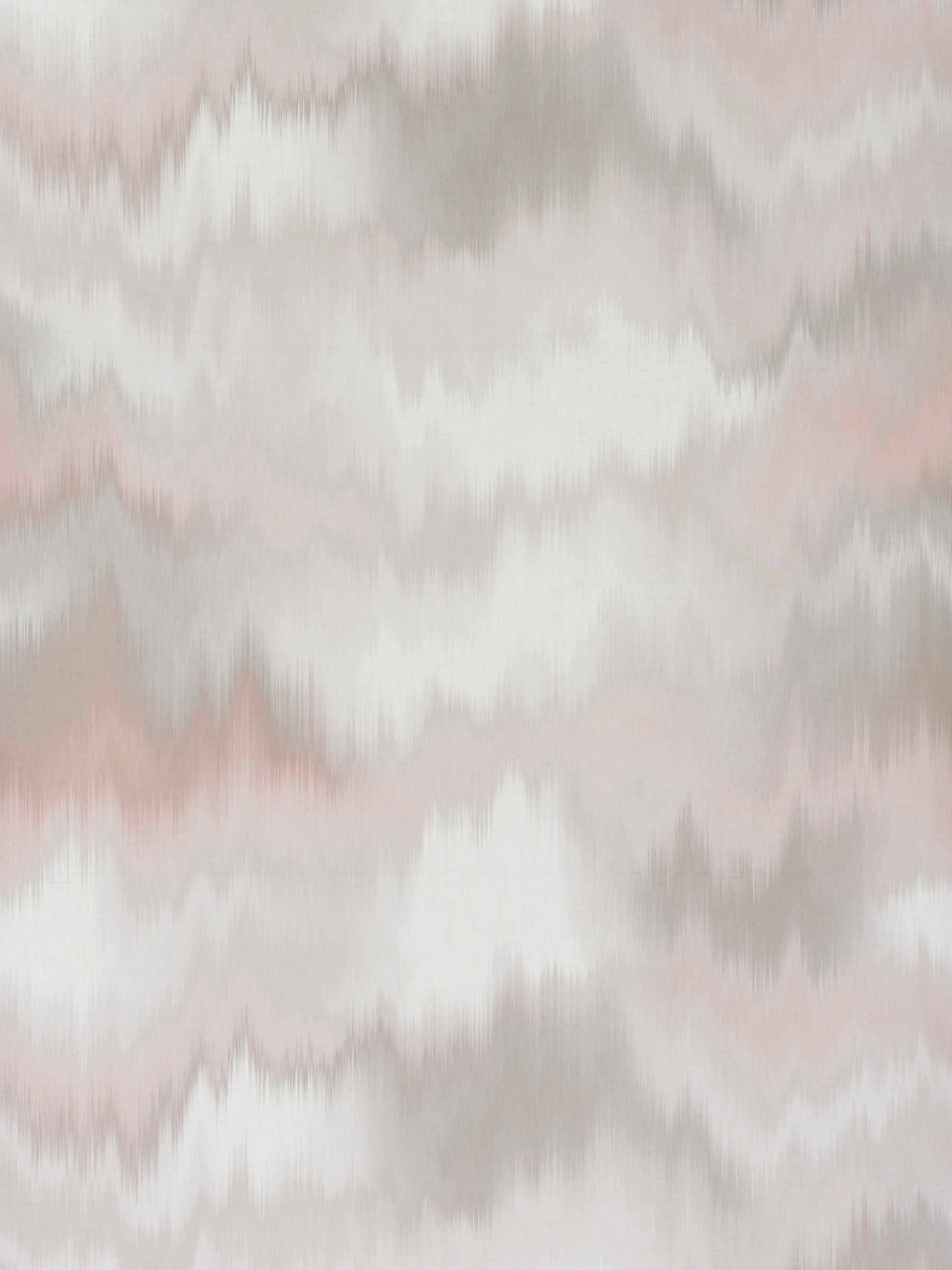
What 80s wallpaper actually looked like
The decade ran on two engines at once. On one side sat postmodern exuberance: the Memphis Group's confetti terrazzo, jagged geometrics, and clashing brights that treated a wall like a place to argue with good taste on purpose. On the other side sat a glossier, more grown-up glamour — high-shine lacquered stripes, moody florals, and mylar or foil grounds that threw light around a candlelit dining room.
Between those poles lived the everyday textures most people actually grew up with: the flat pastel geometrics, the diagonal pinstripes, the small repeating motifs in dusty rose and sage. That middle band is the one now being reissued and reinterpreted, because its restraint reads as wearable where full Memphis reads as a statement.
Why it is back, and how it comes back different
Revivals rarely return as photocopies, and the 80s revival is being filtered through modern eyes. Designers are keeping the shapes — the squiggle, the terrazzo fleck, the bold diagonal — while dialing the palette from primary-bright toward something warmer and chalkier, so the pattern feels confident rather than costumey. Scale is doing quiet work too: a motif blown up larger than the original reads as contemporary, while the same motif at its 1980s size reads as vintage.
Materials have moved on as well. The mylar and vinyl gloss that defined the era's shine now has non-woven and paste-the-wall equivalents that are far easier to hang and strip, so the look no longer comes with the installation headaches that made people tear it down in the first place.
Using it now without time-traveling by accident
The trap with any decade revival is committing so hard the room becomes a set. The reliable move is one loud surface against calm neighbors — a single feature wall of terrazzo or a bold geometric, framed by plain plaster tones and modern furniture, so the pattern is a guest rather than the whole party.
Color discipline keeps it current. Pulling two or three shades out of the paper and repeating them in textiles anchors the pattern to the room instead of letting it float. And if full postmodern feels like too much, the era's glamour side — a lacquer-look stripe or a tonal foil ground in a small room — delivers the 80s mood with none of the cartoon.
Quick checklist before you order
- Pick your 80sMemphis exuberance or lacquer glamour — they style very differently.
- Watch the scaleOversized motifs read modern; original-size motifs read vintage.
- Soften the paletteChalky, warmed-down brights age better than primary saturation.
- One loud wallFeature a single surface and keep its neighbors plain.
- Check the substrateNon-woven reissues hang and strip far easier than old vinyl gloss.
Frequently asked
What is Memphis-style wallpaper?
It refers to the postmodern look of the 1980s Memphis Group — terrazzo flecks, squiggles, and clashing bright geometrics designed to be playful rather than tasteful.
Is 80s wallpaper actually in style again?
Yes, but usually reinterpreted — the era's shapes are kept while palettes are warmed down and motifs are often scaled up to read contemporary.
How do I use bold 80s pattern without overdoing it?
Limit it to one feature wall, keep surrounding surfaces plain, and repeat two or three of the paper's colors in the room's textiles.
Read more
- The Memphis Group: how a Milanese collective ended up on suburban wallsThe 1981 movement behind the squiggle-and-terrazzo look, and how its ideas travelled from gallery furniture to catalogue pattern books.
- Foil, Mylar, and the shine that ran 80s dining roomsWhy metallic-ground pattern was everywhere in the early 80s, how the rolls were actually made, and what changes in the modern reissues.
- The wallpaper border: the 80s decorating habit that refuses to dieChair-rail borders, ceiling borders, and coordinated 'total look' sets — the mix-and-match system that ran the American home from about 1983 into the mid-90s.
- Chintz, ruffles, and the English-country look of the Reagan-Thatcher yearsThe other 80s: Laura Ashley sprigs, glazed floral chintz, and the coordinated cottage nostalgia that answered Memphis with its exact opposite.
- How to date and identify a vintage 80s rollPattern numbers, run and batch codes, backing type, and trim marks — how collectors and restorers separate a genuine early-80s roll from a later reissue.